

Overview
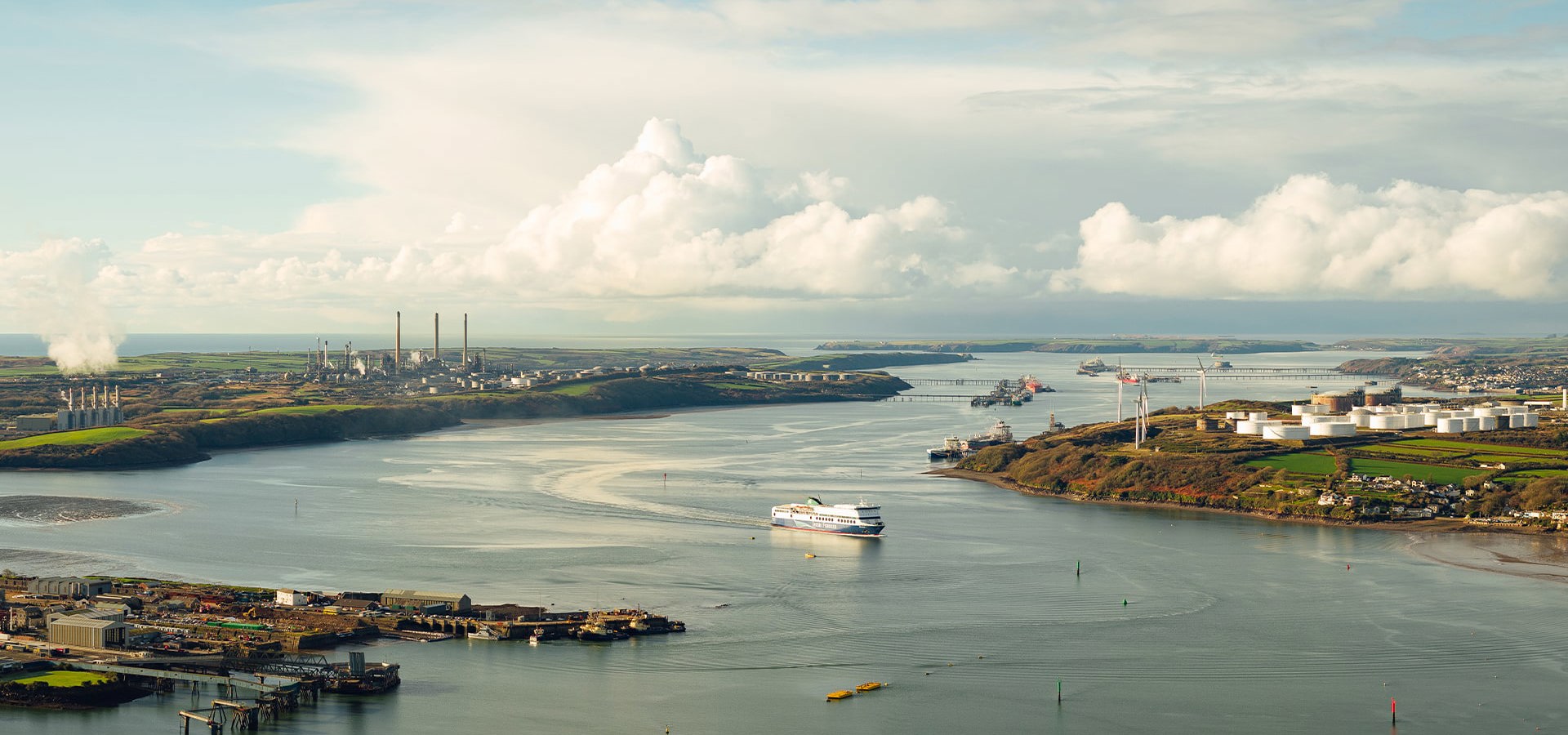
The South West Wales Regional Energy Strategy sets out a long-term plan to transform how energy is produced, used and managed across the region. The strategy has been developed with support from Welsh Government and regional partners and provides a pathway to achieving a net zero energy system by 2050. It focuses on electricity, heat and transport, taking a whole-system approach that reflects the specific characteristics of South West Wales, including its industrial base, rural geography and renewable energy potential.
Why the strategy matters
South West Wales accounts for around 36% of all energy consumed in Wales, despite having around 22% of the population. This is mainly due to the concentration of large industrial sites. While energy consumption and emissions have fallen since 2005, the pace of change is not fast enough to meet net zero targets. Transport emissions remain high, renewable heat uptake is low, and many homes still rely on fossil fuels for heating. At the same time, the region has major opportunities in renewable electricity, marine energy, hydrogen and energy efficiency.
Targets for 2035
To be on track for net zero by 2050, South West Wales needs to reduce energy-related emissions by 55% by 2035. This includes:
- A 58% reduction in domestic heat and power emissions
- A 56% reduction in commercial and industrial emissions (excluding very large industry)
- A 51% reduction in transport emissions
By 2035, the strategy assumes large-scale action including tens of thousands of home energy upgrades, over 78,000 heat pumps installed, around 320,000 electric vehicles on the road, and around 9,500 public and on-street EV chargers.
Renewable energy opportunity
The region already hosts a significant share of Wales’ renewable capacity, particularly onshore wind and solar. The strategy identifies major growth potential in offshore and floating wind in the Celtic Sea, large-scale solar deployment, tidal lagoon and marine technologies, and energy storage. By 2035, South West Wales could generate the equivalent of around 147% of its total electricity demand from regional renewable sources.
Economic benefits
Delivering the Energy Strategy could unlock substantial economic benefits for South West Wales. Between now and 2035, achieving the energy vision could require almost £4 billion of additional investment. This investment could support over 16,000 additional jobs across renewable energy, energy efficiency and low-carbon heating, and generate around £1.6 billion in additional gross value added. Many of these jobs have the potential to support local skills, supply chains and long-term employment if delivery is well coordinated.
Strategic objectives
-
1
Energy efficiencyReducing energy demand across homes, businesses and industry is a core priority. This includes large-scale retrofit programmes, improving the poorest-performing homes, reducing fuel poverty, and ensuring all new homes are built to net zero standards.
-
2
Electricity generationSouth West Wales aims to increase low-carbon electricity generation through a mix of technologies, including onshore wind, offshore and floating wind, solar power, marine energy and biomass. The strategy supports local and community ownership and seeks to generate more electricity than the region consumes on an annual basis.
-
3
Smart and flexible systemsSmart systems such as energy storage, demand-side response, smart meters and flexible tariffs are needed to manage increased electricity demand from electric vehicles and heat pumps. Hydrogen is also viewed as a key flexibility option, particularly for industry and energy storage.
-
4
Decarbonising heatHeating is one of the biggest challenges. The strategy promotes a whole-system approach using energy efficiency, heat pumps, heat networks and low-carbon fuels. Off-gas-grid homes are prioritised, and no new fossil gas connections for homes are assumed from 2025.
-
5
Decarbonising transportThe strategy supports a major shift to electric vehicles, supported by extensive charging infrastructure. It also promotes public transport, active travel, reduced car mileage and the potential role of hydrogen for buses, freight and heavy vehicles.
-
6
Regional coordinationDelivering the energy transition requires coordinated planning, investment and governance across local authorities, network operators, industry and communities. Aligning energy planning with economic development and infrastructure investment is essential.
Next steps
Achieving a net zero energy system in South West Wales will require urgent and sustained action. Key next steps include establishing clear regional governance, raising awareness of the strategy across the region, and developing a detailed delivery plan. The transition also presents a major opportunity to improve energy affordability, reduce fuel poverty, strengthen local economies and support a fair and inclusive green recovery.
In our region
-
 Cwm Gwyrdd Nantycaws Energy
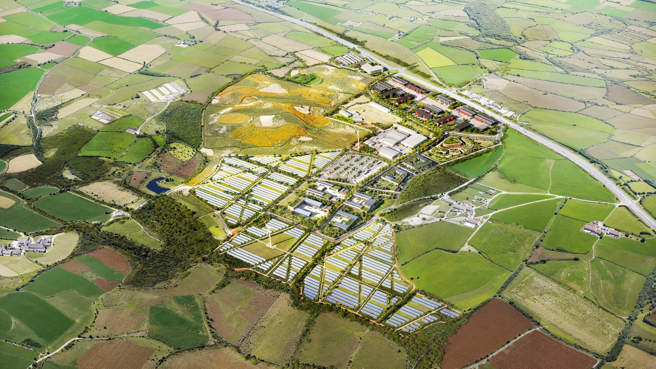
Cwm Gwyrdd Nantycaws is a flagship green economy enterprise building on existing strengths in resource efficiency, renewable energy and biodiversity whilst creating new space for low carbon enterprises.
Carmarthenshire -
 Celtic Freeport Energy
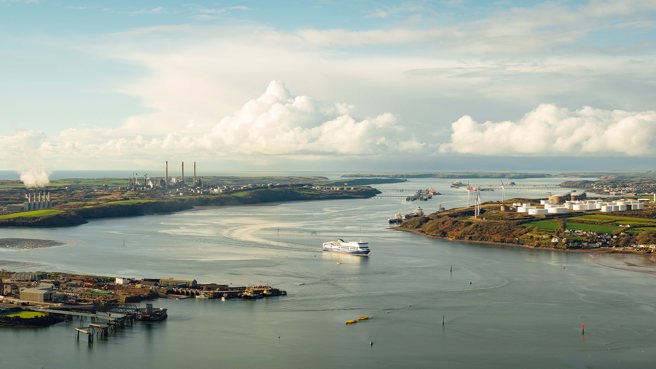
The Celtic Freeport is open for business and will deliver an accelerated pathway for Wales’ net zero economy generating over 16,000 new, green jobs and up to £5.5 billion of new investment.
Pembrokeshire -
 Milford Haven CO2 Project Energy
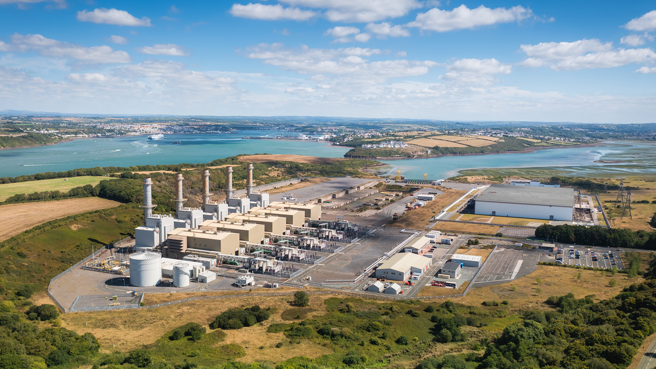
The Milford Haven CO2 project is a carbon capture and shipping project for Wales and the United Kingdom.
Pembrokeshire -
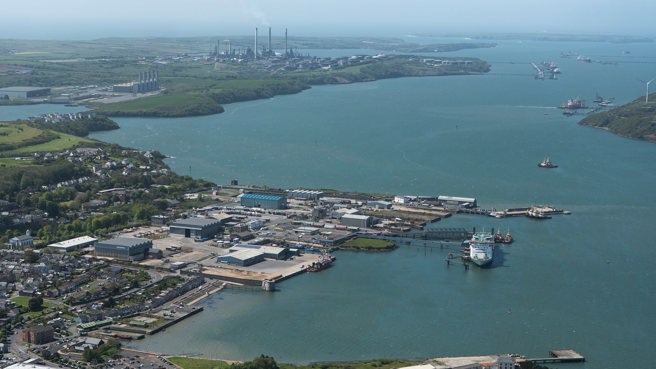 Pembroke Dock Marine Energy
The Pembroke Dock Marine initiative is a transformational project for Wales and the rest of the UK creating clear opportunities for industry on the west coast of Wales.
Pembrokeshire -
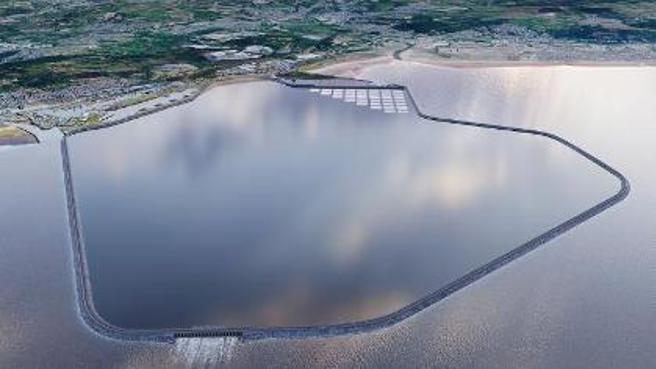 Swansea Energy & Transport Hub and Port Development Energy
An early-stage investment at Prince of Wales Dock and Fabian Way to deliver a clean‑energy, low‑carbon transport hub and unlock port-led industrial growth aligned to net zero.
Swansea -
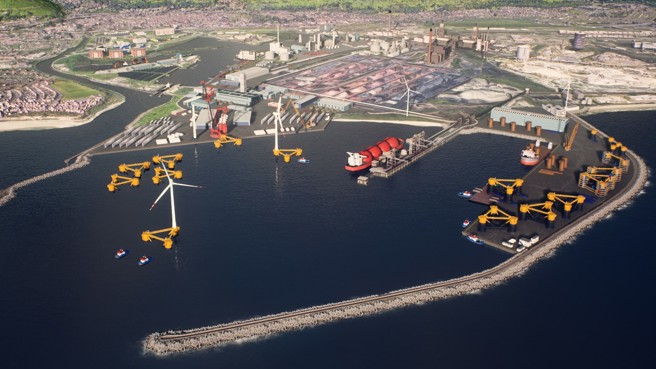 Waterfront Strategic Sites - Port Talbot & Swansea Bay Investment Zone Energy
The Waterfront Strategic Sites offer a major private‑capital opportunity in clean energy and industrial growth, enabled by Celtic Freeport incentives and deep‑water port assets
Neath Port Talbot